ProyectoSub
Investigation

Rocky reefs of Argentine Patagonia

Unique ecosystems of the Patagonian seabed that are home to a great diversity of species.

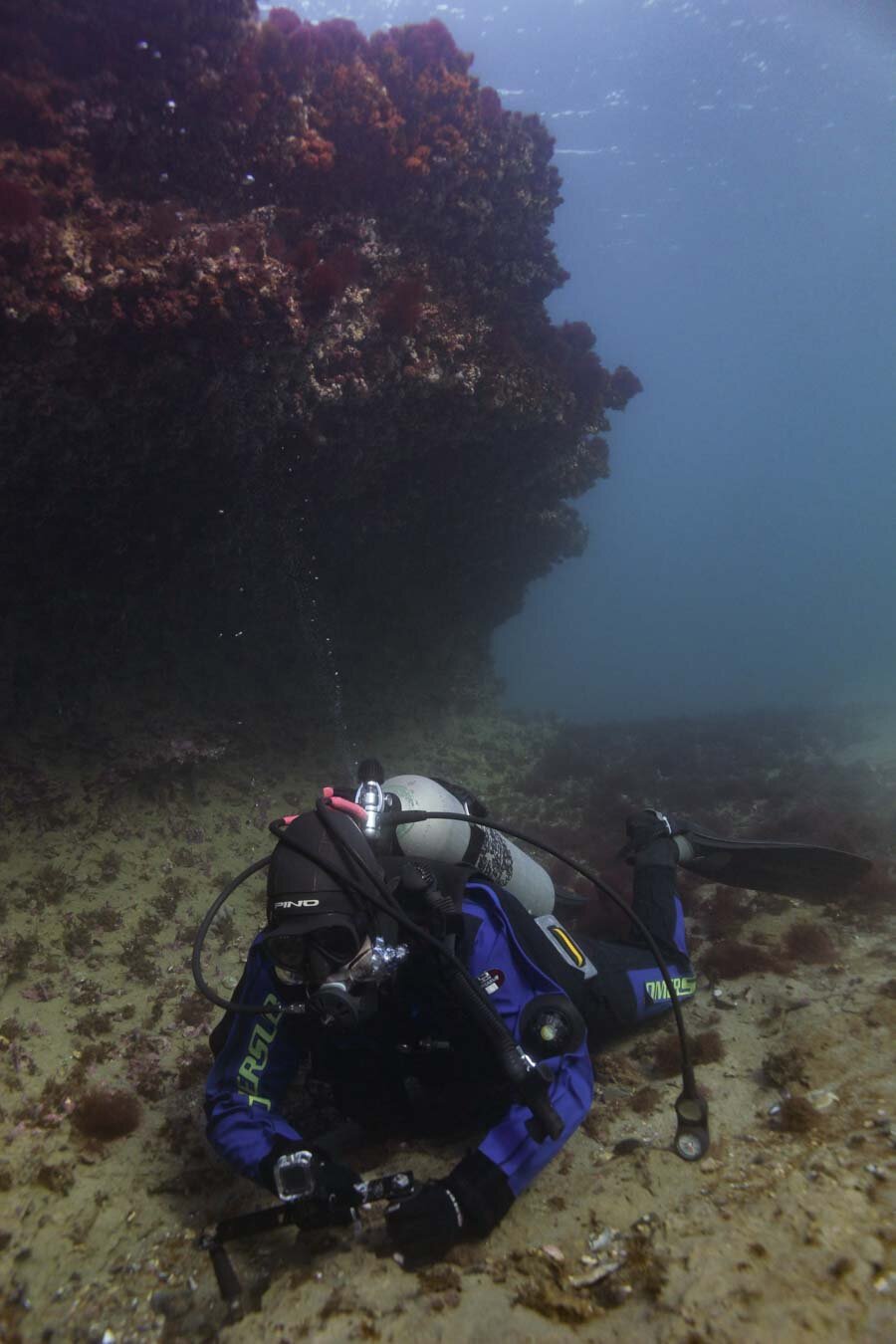
Within the habitats of the subtidal zone (permanently submerged) are rocky reefs: hard, compact and isolated substrates that emerge on the seabed or extend discontinuously from the intertidal zone. Within the Golfo Nuevo they can reach up to 1600 meters in length and protrude up to 3 meters from the bottom. Local users know them as restingas, salmoneras or eaves, and they are frequently used for diving, underwater hunting or fishing.
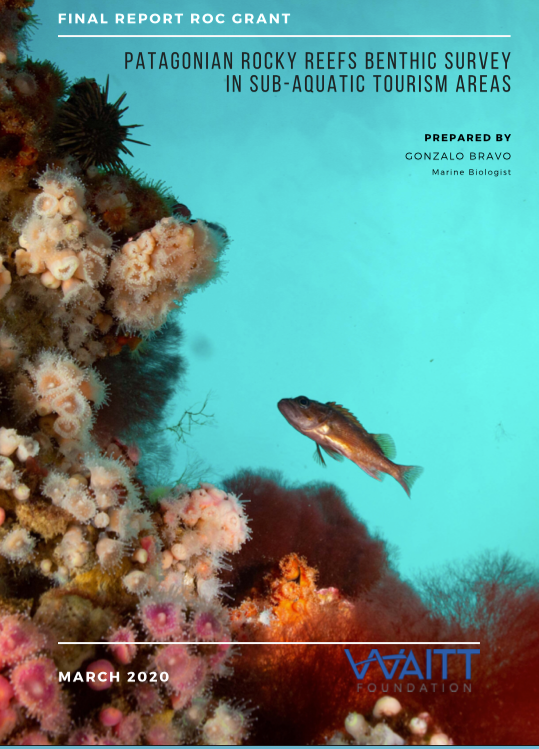
Why are they important?

Many species, such as algae, depend on rocky substrate to settle; That is why reefs are usually covered by them. This makes them highly productive environments, since algae are the basis of food webs. In addition to food, reefs provide shelter for small invertebrates and fish.

On the other hand, the substrate has cracks and caves that the fish use as shelter from predators such as sea lions. These caves, being dark, do not usually have algae; On the other hand, anemones, sponges and other sessile organisms take advantage of them as habitat. Patagonian reefs are unique ecosystems that are home to a great diversity of species.

What are your threats?

Like many other marine habitats, rocky reefs are affected by human activities. Sport fishing is one of the main threats to reef fish, since during the summer several boats fish in their surroundings without restrictions on the catch quota.

Other activities, such as tourism, can cause wear and tear when used frequently and without the necessary care. The use of anchors by boats is a concrete example of practices that harm life on reefs.

Warming seas are also a threat. Sea temperature is one of the physical variables that most influences the distribution of species in the Argentine Sea: if it increases, some species could migrate south.

Underwater Tourism Areas

Within the Golfo Nuevo, in Chubut, some rocky reefs near Puerto Madryn were included in the Underwater Tourism Areas (ATS), protected areas under a provincial decree (Decree No. 1998/13). Fishing is prohibited in these reefs and their use is only permitted for recreational purposes.

What do we do at ProyectoSub?

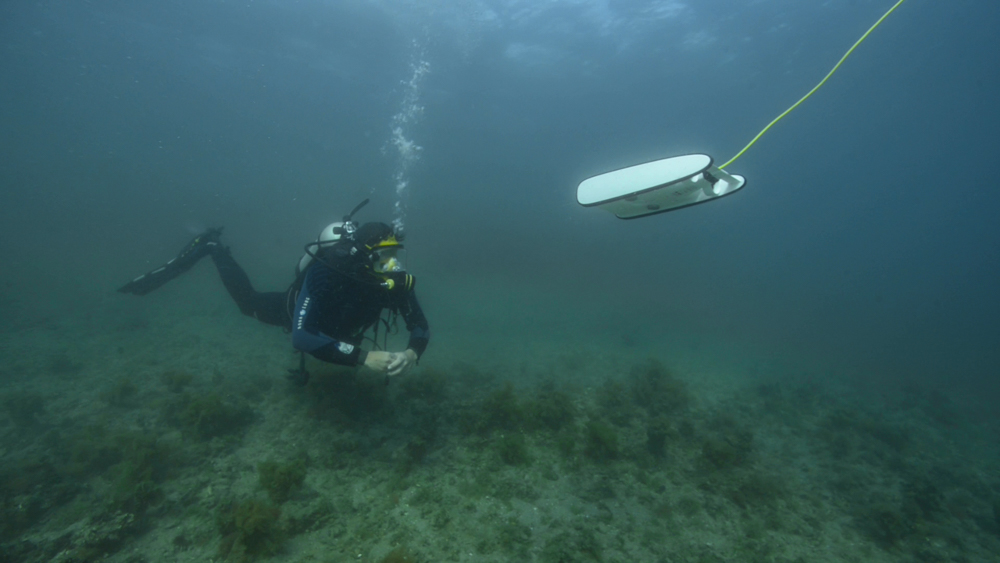
We carry out research to learn more about the Patagonian rocky reefs. Our studies describe the species that inhabit these sites using mainly photographic records. In the most recent surveys, thanks to new methodologies, twice as many species were identified compared to previous studies of the Golfo Nuevo.

We also measure oceanographic variables such as currents, water temperature, sedimentation and nutrients, to understand the relationships between sea conditions and algal and invertebrate communities.

Explore a rocky reef on video

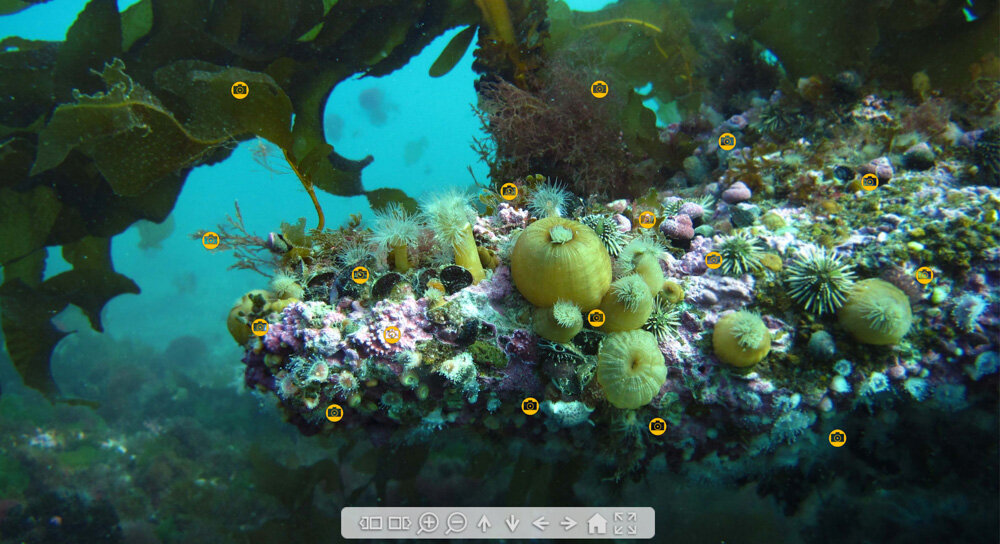
Photos of species on a rocky reef

Select the image to discover the different species that are part of life in rocky reefs.

Scientific report on the rocky reefs of the Golfo Nuevo

With the support of